No individual or living being exists in isolation. Entities are products of preceding influences. Individual persons emerge as products of various interconnected aspects of existence, including the mental, physical, spiritual, genetic, and more. These factors interact with core properties that are relatively unchangeable, such as genetic material, natural proclivities, and inherited trauma—collectively termed “Natural Identity.” On the other hand, properties subject to change, like weight, contentment, attitudes, beliefs, skills, and group affiliations, constitute what we can call “Nurtured Identity.” The former involves physical and mental traits experienced as inherent, while the latter involves those traits that individuals actively shape and adopt.
To evolve into something, you begin as one entity and undergo a transformation into another. When someone declares, “I am now a doctor,” they transition from a non-doctor to a doctor. This transformation involves progressing through various stages, such as high school, undergrad, medical school, residency, and beyond, excelling at each stage until reaching the point of becoming what is considered a doctor.
The same principle applies to other forms of identity, but with a distinction: identity, as a sense of belonging that imparts a purposeful meaning to one’s life, is often a subject, journey, or destination guided by one’s parents, immediate surroundings and/or community. In contrast to this, being a doctor is an occupation that influences both Natural and Nurtured identity. Individuals progress from participating in specific events during childhood to gradually taking on more responsibilities and engaging with customs. This evolution continues until adulthood (puberty), where the responsibilities and challenges of the world become a force that individuals must contend with independently. While they have their family and community members as guides and helpers, these individuals play a crucial role in assisting with the ongoing battle between Natural and Nurtured identities.
The challenge with identity arises when individuals choose to represent themselves as a complete entity in aspects that exclusively pertain to either Natural Identity or Nurtured Identity. This involves the way people identify, connecting with concepts or expressions within familiar categories such as race, gender, illness, occupations and more.
WHY IS THIS AN ISSUE?
Throughout history, the way people identified themselves differed from the nuanced manner we do today. Individuals are dynamic, and identification is a contemporary expression of connecting intellectually or emotionally to something. It encompasses self-concept, perceiving oneself in relation to an idea, and possibly feeling represented by specific markers. The key concern lies not in feeling connected to a group similar to oneself, but in assigning undue weight or status to that group affiliation in how one conducts their life and strives for self-improvement.
We all share a physiological need for belonging and a psychological desire to be part of a group. Our chemical makeup rewards connections with those who are similar or familiar to us. In the modern world, we articulate similarities and communicate the downsides, neutralities, and upsides of belonging to specific groups in new ways. We express different aspects of ourselves through various intersections of self-categorization, seen in various lights influenced by biases, stereotypes, and historical contexts related to different groups. However, within the complex landscape of identity, there’s an objective truth that has been obscured— not all ways of identifying are equal, and some can be detrimental to individuals, groups, and communities that strongly identify based on distinguishing factors that create the named groups.
For example, when individuals prioritize their race as the highest form of identity they connect with, it inherently implies one of two perspectives: (1) considering their race as superior, or (2) regarding their race as inferior. Otherwise, the identification with a particular group wouldn’t hold any significant benefit. Things that are entirely equal don’t warrant distinctions. Therefore, as individuals, it is natural to perceive one’s own ethnic or racial group as superior, unless one is in a state of depression influenced by feelings of inadequacy.
What I want to clarify is that perceiving oneself as superior doesn’t necessarily involve harming other groups to advance, at least not if one genuinely holds that belief. Consider basketball; if someone is the best 3-point shooter on the team, it doesn’t imply they look down on teammates with lesser shooting skills. More likely, their teammates excel in other areas on the court, like rebounds, assisting, defense, or alternative scoring methods. The underlying principle here is teamwork, as without it, the dynamic could devolve into a divisive “us versus them” mentality.
This is why the concept of SELF-IDENTIFYING and holding one’s race in the highest regard is ridiculous and only serves to further divide society if it does not address the elephant in the room. IF IT IS OKAY TO BE PROUD OF YOUR RACE, ANY RACE SHOULD BE ABLE TO DO SO AND IF IT IS BAD FOR ONE RACE THE WHITE RACE (which is categorically undefined and constantly expanding) THEN IT IS BAD FOR ANY RACE TO BE SOLELY PROUD OF THEIR RACE.
The PYRAMID of IDENTITY not a flat plain
Similar to many aspects of life, there exists a natural hierarchy regarding which form of identity is more constructive for individuals and the communities contributing to the broader locality, ultimately shaping society. This hierarchy can be visualized as a pyramid, recognizing that nothing in this world is inherently equal. Falling for the noble lie that everyone is equal often stems from the noble notion that “the government should treat everyone with the same level of respect, rights, and dignity.”
However, even if it is true—and society as a whole should indeed strive for this—it doesn’t mean that everyone is exactly the same or equally useful in various situations. This is not intended to diminish individuals. Every human being possesses innate value and a unique soul, with a distinct set of capabilities, tasks, and trials that only they can overcome. Each person contributes skills or abilities that make them invaluable to their community. Yet, the notion that everyone’s value is equal, while well-intentioned, is taking the idea to an impractical extreme. It only serves to create an illusion, allowing incompetent individuals to act as if they are on par with someone else, merely based on the chance that they belong to a different demographic. This leap in logic leads to the erroneous conclusion that every demographic is equal across the board.
The idea of universal equality leads to a belief system that is developmentally challenged. This system necessitates ignoring inherent differences in favor of forced equity. Equity, in this context, is a belief system that is willing to disregard facts to make outcomes appear more similar than they are. Additionally, it inherently assumes that any disparities in outcomes between distinct identity groups (easily distinguishable on the surface) are solely due to oppression. This is why the current landscape of identity politics is so absurd—it compels people to act as if every form of identity inherently deserves the same outcome without considering the nuances involved. It has people acting as if every form of identity deserves the same outcome a priori.
If you become a parent outside of marriage, the likelihood increases that both you and your children will experience poverty. Similarly, if you lack the skills for career advancement, your income is likely to plateau rather quickly. Identifying solely as a single mother may not work to your advantage. Even if you’re a skilled union worker—say, a TIG welder—once you’ve perfected your technique, your income potential might not increase significantly unless you venture into entrepreneurship. I’ve chosen welding as an example due to its demanding nature, the need for hands-on experience and education, and its relatively high pay. However, like many occupations, it also faces an income ceiling due to the limitations inherent in being a component within an organization.
THE TOP IDENTITY DAWG
If identity serves as a multi-faceted instrument guiding how one interacts with the world through Natural and Nurtured identity components, what is the most beneficial identity? A religious identity.
The Nurtured Identity with the most profound capacity to navigate, support, and assist an individual through life’s myriad challenges is belief. What one believes holds the power to shape one’s entire perception. The very same words can evoke anger or laughter, contingent on the individual’s beliefs about themselves, their relationship to the spoken words, and the beliefs they hold about the role the speaker plays.
There is no shortage of “isms” that can be employed as theories or themes to interpret one’s perceptions of events. However, most of these “isms” shape beliefs about the physical world and how it should be according to an ideal advocated by the respective “ism.” Beliefs based on such doctrines do not offer a framework for viewing the world in the form of normative; instead, they serve as descriptors into which one fits their experiences. Furthermore, these beliefs lack canonical traditions or cultures passed down from generation to generation. They function more as philosophies with which individuals can interact, or they aspire for the state or government to use them as a societal model. These “isms” and philosophies rise, fall, gain popularity, and then fall out of style over the centuries since their conception. Each iteration believes that if the philosophy is taught correctly or adhered to appropriately this time, the world will witness its superior perspective.
“But what sets religious identity apart from the ‘isms’ and philosophies?”
Religious identity demands something distinct from all other forms of belief. It necessitates belief in an entity, being, collective consciousness, or aura that transcends one’s individual existence. In contrast, other ‘isms’ merely require individuals to adopt the perspectives they provide regarding the material world unfolding before them. These often lack elements of practice, and when present, they are usually limited in scope. For instance, as someone who appreciates Stoicism, I’ve found it helpful in emotional regulation, but it doesn’t offer guidance on what is inherently good or bad. It emphasizes that such evaluations depend on how one perceives harm, asserting that only through perception can something be deemed hurtful.
In contrast, religious identities demand that individuals first scrutinize their own behavior and adhere to the moral codes governing normative conduct in their personal lives. Moreover, every religious text provides insights into emotions—what they signify, their causes, how to manage them, and the reasons behind the world’s workings. Embracing a religious identity involves a profound struggle, requiring individuals to contend with their natural inclinations and subdue the instinctive pursuit of pleasure devoid of higher purpose. It also entails a heightened awareness of the lower-level nurtured identities one may embody or associate with, whether correctly or incorrectly. A Religious Identity imparts purpose and meaning to one’s life in the face of existential uncertainties. Anyone identifying as religious or belonging to a religion understands the ongoing internal conflict between desires and the morally correct course of action.
This concept seems challenging for many with liberal inclinations. It appears that they naturally possess a lower level of negative predispositions towards what modern society generally deems as bad or evil. As a result, the internal struggle that often propels individuals toward a religious identity is mitigated by the contemporary legal landscape. Moreover, liberalism tends to amplify emotions, transforming them into a currency that can be exchanged for any other grievances, provided they align with the prevailing dogma.
BUT WHY SHOULD YOU CARE.
It matters because all other forms of identity not only tend to become tribal but are inherently tribal, particularly natural identities. They function as clubs one is either born into or must undertake specific acts to be considered a member. However, these identities fail to provide meaning regarding why each individual is important in the world, why personal struggles are surmountable, or an overarching purpose. While many borrow theistic principles, they often lack the codification of those principles within the identity itself. In essence, these identities are constructed and activated solely for political purposes to address the current societal “dilemma.”
This is why identity politics is perilous. The aim of these loosely defined forms of identity is often to gather as many members and allies as possible for a cause, whatever that cause may be. Unlike traditional identities that foster communities, uphold traditions, maintain culture, and strive for a better future for the next generation, modern political identities tend to select one of these objectives and utilize emotional narratives to enlist people as proxies for the agenda of the purported leaders of the identity group. They assert that you are fighting for the just cause and, if not you, then it will all be over, as if the entire world rests solely within your control, burdening you with the overwhelming weight of the world on your shoulders.
This is not to dismiss the noble pursuit of positive change. However, many of these identities lack an a priori perspective on what is truly noble. They often stem from reactions or power grabs founded on abstract notions of equity, which may seem superficially plausible when one unquestioningly accepts the noble lie of everyone being exactly equal. In contrast, religious identity mandates that individuals align their own values before attempting to influence the broader context.
Moreover, religious identities necessitate genuine community. Definitions of community rooted in secular (non-religious) principles or identities serve practical purposes by delineating socially recognizable groups of individuals. However, they often lack the concrete and unchanging moral guidance required to steer society towards a virtuous course. In contrast, religious communities stand out by providing enduring, timeless principles that have withstood the test of time and continue to be steadfastly embraced by their adherents (community members). This holds significance because communities shape children into adults, instilling them with moral convictions and an identity that the rest of the world must contend with.
The concept of secular identities are be deceptive, as it is inherent in human nature to engage in acts of reverence or worship, whether directed at tangible objects, individuals, or abstract concepts. Consequently, modern individuals often exhibit a secular orientation that frequently lacks a well-defined, enduring framework for the transmission of their beliefs across generations. As a result, these beliefs serve not only as tools to shape all of one’s experiences but also as mechanisms for shaping the future. While we all hold beliefs about various things, it is the beliefs we identify with that propel us to action or inaction, and the identity that has endured longer than any other form of association is that of religious belief.
Hence, if you choose to retain your lower form of identity, be prepared for the likelihood that what you presently perceive as just will probably be deemed as evil and archaic in the next two generations. However, if you believe yourself to be more morally upright than your predecessors solely due to being born in a more modern era, there may be little I can do to convince you otherwise.
On a final note, the criticism of wars, killings, and oppression under religious kingdoms and doctrines can be disingenuous. Hundreds of millions of people were murdered in the name of communism, secularism, and the right to be a sovereign nation, just in the 20th century alone. Conflating the idea that nations use ideologies to conquer, kill, and manifest their destiny seems more like an inevitability not solely tied to a specific identity. War will persist as long as misunderstandings exist between people with different identities, particularly when the conception of identity is misaligned with secular identifiers. Moreover, even more conflict and loss of life may ensue if the highest form of identity is not recognized and reintegrated into the psyche of individuals through religious communities.
Currently, there is not a single demographic in the United States of America that does not receive some form of benefit when they exercise their right to vote. Since the presidency of Lyndon B. Johnson (LBJ), the federal government has strategically harnessed this dynamic. If you feel marginalized or overshadowed by the interests of other groups, and you believe you’re not receiving fair representation from the federal government, it indicates that the interest group you’re associated with (which could encompass a wide range, such as teachers, unions, law enforcement, corporations, pharmaceutical companies, the military-industrial complex, oil companies, farmers, women’s rights advocates, proponents of child tax benefits, religious, and more) are not effectively utilizing its financial resources and voting influence compared to competing groups in the same domain.
Essentially, you’re criticizing the fairness of a game without a full understanding of its rules. Can you genuinely argue for fairness when you lack knowledge about all the factors and rules that influence the game? The answer is no, or at least not from a standpoint of good faith.
LBJ introduced the practice of exchanging votes for subsidies, setting a new benchmark in American politics. With the implementation of the Great Society programs, the driving force behind people’s choices in local politicians shifted away from communities of individuals. Instead, the criteria for selecting one’s representative became centered on whether voters were willing to support a single or double issue that could be connected to their interests, affecting their well-being, wealth, and finances. This shift in focus devalued the communal consensus based on shared values. This transformation gradually infiltrated small communities, where hometown individuals ventured to prestigious schools and returned with a vision of attracting clientele who could support their political aspirations.
After decades of weakened communities, the composition of congressional and senatorial representatives now consists largely of individuals who align their votes with policies benefiting a substantial portion of their active and vocal constituents. Even though taxes are collected from those who don’t vote, politicians often convey to their supporters the idea that the eventual “ballot vote” will serve the interests of the coalition capable of promising votes and funds. This represents a significant departure from the original purpose of the American government and the principles on which the nation was founded. The initial intent was for elected representatives to safeguard the rights of their constituents against encroachments by the government and foreign entities. However, the federal government was never intended to serve as a tool that offers various coalitions specific advantages in the form of government subsidies and loans in exchange for money, votes, and status. Consequently, election winners are those who pledge to provide the desired benefits to the right groups.
When a government realizes it can sway its constituents through incentives, it loses its restraint and will exploit its citizenry. The constitution of a country is designed to shield its citizenry from actions, rules, statutes, or mandates put forth by their “Governors” for personal gain. Local laws are intended to govern what an individual citizen is allowed or prohibited from doing within a specific locality. However, when a government utilizes its legislative authority to dispense benefits to those willing to vote for them, a significant issue arises.
This is not to suggest that governments should never provide subsidies to various enterprises at different times. However, historical subsidies were primarily intended to support infrastructure development in an area. The deviation from this original purpose eventually gave rise to the modern concept of subsidies. To comprehend how subsidies evolved into an accepted part of everyday American life, one must examine the initial private monopolies (referred to as “Old School Subsidies”) in the United States.
The First Form of a Subsidy –> Monopoly.
“Old school subsidies” were those that conferred exclusive rights upon certain companies or individuals to exploit resources that might not have been developed due to a lack of funding necessary to initiate the enterprise without the aid of establishing a monopoly. This is particularly applicable in the context of projects such as bridge construction, railroad development, oil mining, exclusive maritime contracts, and, in the modern era, utilities like electricity.
It seems that two primary rationales underpin the logic for allowing these monopolies to maintain control:
These structures or enterprises would not be developed without monopolization.
Adequate funding for such ventures would be lacking without monopolization.
Hence, the government needs to grant exclusive monopolistic rights to certain investors for projects.
These ideas can be dissected as follows:
(1)
a. Investors expect a return on their investment.
b. Initiating these projects requires a substantial investment.
c. Without protection, other players can easily enter the market, diminishing the returns for initial investors.
d. Secondary development becomes more feasible after someone has pioneered the way.
e. Reduced returns deter future investments in such projects.
(2)
a. The enterprise or infrastructure is of critical importance or offers substantial benefits to the area or country.
b. Engagement in these projects would yield considerable benefits to the region.
c. If returns for investors in the infrastructure are insufficient, the crucial enterprise may not be constructed.
d. The absence of such development incurs an opportunity cost.
e. The exclusive license becomes the sole means for these projects to come to fruition in the near future.
(3) Consequently, the government needs to grant an enduring exclusive monopoly right to investors in the respective project.
Notably, there exists a logical gap between step 2 and step 3, as well as a somewhat abrupt transition between 2(e) and 2(d). The link between 2(e) and 2(d) serves as the initial crucial step in the emergence of lobbying. Individuals interested in building bridges or securing exclusive ferry rights could navigate from 1(a) to 2(d), initiating the rudimentary form of clientelism. This clientelism evolved and was set free into the world, a phenomenon that can be likened to omphalotomy (the act of cutting the umbilical cord). Figures such as the Rockefellers and Vanderbilts excelled in the art of lobbying, crafting a form of business royalty. They knew how to effectively influence legislation and manipulate administrative non-enforcement by skillfully engaging with the powerbrokers and purse strings.
State-sponsored monopolies granted to private entities aren’t inherently negative. Many governments and kingdoms throughout history have employed such arrangements. The corporations of antiquity often served as extensions of feudal kingdoms, pursuing the economic objectives of the realm or religion as they expanded into new territories. Even the monopolies established in the United States have reasonable justifications. They emerged as world markets opened up, and nurturing and, at times, safeguarding industries became essential for global competition.
However, when entities like Standard Oil were granted a 40-year exclusive right to oil, the Vanderbilts gained control over all transportation, and JP Morgan’s influence over the railroads went unchecked, issues arose. These monopolies persisted until additional anti-trust laws, such as the Sherman Act, were enacted to address the symptoms of the federal government’s willingness to either redistribute wealth from some individuals to others or grant exclusive rights to private companies and entities.
The Shift to BAILOUTS
The issue then transitioned into bailouts, where private companies could turn to the government to rescue them from imprudent decisions. The first recorded instance of a bailout in the United States occurred during The Panic of 1792 when the federal government intervened to stabilize the markets. At that critical juncture, Treasury Secretary Alexander Hamilton authorized purchases to prevent the securities market from collapsing. There are limited examples of government bailouts in the 19th century, with any potential instances likely related to the aftermath of the Civil War. However, bailouts primarily become a prominent issue when banking institutions grow too “large to fail”.
In the early 1900s, particularly during the early 2000s, the financial landscape witnessed a series of bank runs and panics driven by extensive speculative investing—a situation that may sound all too familiar. In response to these challenges, the federal government entered the realm of financial control by establishing the Federal Reserve. (As a side note, I once aspired to be the Chair of the Federal Reserve, diligently reading every economics book I could find during my younger years.)
However, the formation of the Federal Reserve did not prompt banks to adopt wiser or more secure banking practices. Subsequently, both the United States and the global economy took a perilous plunge, as people made investments and borrowed against assets with little to no tangible value, or assets that existed merely in theory. It’s almost reminiscent of the financial crisis of 2008, albeit happening some 80-odd years earlier.
The Beginning of American Feudalism: The New Deal and old costs
In the years that followed, FDR laid the foundation for a resurgence of a quasi-feudal system. In fairness, it was a challenging period in history, marked by a workforce with a staggering 25% unemployment rate, and genuine hunger among the population. This was not the statistical games played by modern economists, which indicate that 30% of Americans feel food scarcity. As I write this, I’m indeed feeling hungry, and I haven’t yet planned my dinner. However, this doesn’t equate to imminent starvation.
FDR’s approach during a time of crisis has been a subject of debate. But he was a bully and a borderline tyrant. While his leadership during World War II and the subsequent economic prosperity for nearly two decades helped overshadow certain issues. FDR’s willingness to threaten to pack SCOTUS led to the resignation of Justices who opposed his policies, ultimately resulting in the New Deal.
However, it’s worth noting that the New Deal wasn’t a cohesive, systematically designed solution to address the various aspects of the Great Depression. Instead, it took a multifaceted approach, dealing with different elements of the crisis in ways that sometimes appeared haphazard and occasionally led to contradictions. To delve deeper into the subject, one might consider reading the case of Wickard v. Filburn, which set a precedent in 1942 and granted the federal government a broader scope of authority to intervene in matters within the privacy of one’s home or property, a decision that I find repugnant.
FDR’s New Deal established the Works Progress Administration (WPA), which employed various individuals, including artists, actors, and authors, to contribute to the construction of new schools, bridges, and other infrastructure projects across the country.
“The National Recovery Administration attempted to check unbridled competition which was driving prices down and contributing to a deflationary spiral. It tried to stabilize wages, prices, and working hours through detailed codes of fair competition. Meanwhile, the Agricultural Adjustment Administration sought to stabilize prices in the farm sector by paying farmers to produce less. Finally, over the course of the New Deal, the administration addressed questions of structural reform. The Wagner Act, which created the National Labor Relations Board in 1935, was a monumental step forward in giving workers the right to bargain collectively and to arrange for fair and open elections to determine a bargain agent, if laborers so chose. The Social Security Act the same year was in many ways one of the most important New Deal measures, in providing security for those reaching old age with a self-supporting plan for retirement pensions. But there were other reform measures as well. The Securities and Exchange Commission and Federal Deposit Insurance Corporation were new.”[1]
Rather than allowing the country to self-reflect on its challenges and encouraging local communities to collaborate for stability, FDR introduced government programs that fostered dependency on government intervention to rectify issues when they arose. This inadvertently incentivized risk-taking in situations where caution might have been the norm to avoid catastrophic consequences. It’s worth noting that government-funded programs, in essence, involve taking money from some individuals to provide for others. In a society, if individuals wish to offer charity, they should do so based on their own initiative. Historically, if a community believed that a neighbor wasn’t contributing adequately, they could address the issue through rebuke, discussion, or even exclusion.
However, with the government’s involvement, communities were left less equipped to deal with adversities such as famine, plagues, or economic downturns as they had traditionally. The federal government began mandating and litigating against farmers for producing more than their allotted quotas, notably in the case of Wickard. Government interference with businesses and their ability to compete, was then set in motion.
The concept of unions having the ability to influence their employers through collective bargaining altered the dynamics of work, discouraging the need for individuals to improve their skills in order to earn higher wages. This shift undermined meritocracy. Furthermore, it facilitated the formation of coalitions that, while not legally considered mafias, were sanctioned by law and could leverage their collective interests to influence various policies. It’s important to note that many people within specific professions often share similar worldviews and temperaments, which not only make them suitable for the job but also contribute to their job satisfaction.
Social security was destined to favor the older generation, but it went beyond that, fostering a sense of financial irresponsibility and diminishing the commitment to raising children. Both parents and children began to believe that the government would ensure financial support in old age, leading to a reduced emphasis on nurturing intergenerational relationships that form the cornerstone of communities and societies.
The SEC is uses its authority to categorize certain matters within its jurisdiction and potentially take actions against those it disapproves of. Similarly, the FDIC has sometimes been viewed as a tool that banks exploit to take more risks with their clients’ funds, particularly when most clients fall below the threshold for significant losses of banked funds. This can create a false sense of security, as even though there’s insurance, the money is still at risk and subject to speculation.
The New Deal marked a transformative shift in the role of the Federal Government, which previously had minimal involvement in people’s lives beyond the collection of income taxes, mainly once a year. However, with the New Deal, everyday activities such as working, banking, and saving became subject to government regulation and intervention. Moreover, a growing number of individuals, including those in specific occupations like the military or farming, as well as the unemployed, could claim government benefits.
However, this was merely the mechanism through which clientelism became a pervasive issue, as policies and representatives were no longer elected solely based on their qualifications as representatives of the United States. Over the ensuing decades, the focus shifted towards leveraging agency to secure rights and benefits from the government, as these benefits were increasingly being distributed by the government itself.
“Ask not what your country can do for you, but what you can do for your country…” These words, articulated by JFK Jr., were not spoken in isolation from the civil rights movements. Instead, they aimed to reinforce the existing sentiment that the government provides citizens with opportunities to assist one another, if taken with a benevolent interpretation.
All that remained for LBJ was to secure unwavering support from the Black vote in the United States, enabling the Democratic Party to advance its agenda of exchanging benefits for status. Consequently, all the Democrats needed to do was pledge positive outcomes and formulate policies that appeared to favor the Black community, regardless of the outcome. Following suit, Republicans did the same thing with rural and religious collisions. These effects continue to resonate to this day.
The 36th president Lyndon B. Johnson’s called for creation of the Great Society. The Great Society program became Johnson’s agenda for Congress in January 1965: aid to education, attack on disease, Medicare, urban renewal, beautification, conservation, development of depressed regions, a wide-scale fight against poverty, control and prevention of crime and delinquency, removal of obstacles to the right to vote.
However, these programs ultimately undermined the essence of the American dream, which envisioned individuals living within their communities free from excessive government interference or the imposition of others’ beliefs. Most research on the Economic Opportunity Act of 1964 and the Titles under the Great Society primarily relies on statistical analysis to assess their impact. Conversely, statistical models fail to capture the full spectrum of values at play.
I engaged in a significant internal struggle when contemplating the Great Society initiative. In my quest for understanding, I delved into various papers and books that discussed the program’s incentives and penalties, weighing the alleged positive and negative effects, as well as the intended versus unintended consequences. However, I found myself torn because most researchers and authors primarily emphasized tangible outcomes while acknowledging the substantial impact of intangible factors. This juxtaposition left me conflicted.
The dilemma I faced was how to effectively communicate these intangible aspects in a meaningful manner. Within academia, there are scholars who meticulously analyze this information and data, with varying degrees of accuracy, avoidance, or even dishonesty. Moreover, depending on a researcher’s affiliations, some individuals may dismiss anything they say outright. Therefore, providing data alone holds limited value, as I am attempting to address something intangible.
A grasp on the INTANGIBLE
Quantifying the value of a community in personal development is a challenging task. The saying “it takes a community to raise a child” encapsulates this concept, but it also raises a multitude of questions. How many individuals constitute a community? What defines the boundaries and characteristics of a community? Why is a community essential for raising a child? And what happens if a community is absent? These inquiries all attempt to quantify something that resides on the fringes of the intangible realm. Nonetheless, despite the difficulties involved, the pursuit of finding answers to these questions remains a worthwhile endeavor.
However, in order to address those questions, it is necessary to paint a broader and more vivid picture that captures the stark contrasts. The specifics of answering these questions demand a shared comprehension of concepts, ideas, traditions, history, and even our instinctual, animal-like reactions to various stimuli and systems. By encompassing these elements, we can gain a deeper understanding of the complexities involved in the dynamics of community and its impact on personal development.
Thus, the creation of the “Great Society” had a detrimental impact on the intangible value of communities, which is inherently challenging to articulate. Despite its inherent difficulties, the aim is to provide a semblance of concreteness and clarity to a subject matter that is inherently elusive and hard to define.
The Hidden Price Tag
The “Great Society” initiative imposed a highly liberalized and government-centered structure that influenced the mindset of federal employees, communities, and individuals to become overly dependent on government. While Franklin D. Roosevelt laid the foundation for welfare programs like social security and a few others, even after World War II, Americans did not perceive the government as their “Big Brother.” There was still a sense of unease regarding governmental interference or excessive involvement in everyday life. Therefore, Lyndon B. Johnson had to first sell a dream before implementing these programs. Consequently, it is important to examine the underlying themes of its creation and the resulting outcomes when evaluating the impact of the “Great Society.”
When examining the ripple effects of a policy or initiative, the intentions behind it often hold little significance compared to tracing the actual causes and outcomes. As the saying goes, “the road to hell is paved with good intentions.” Therefore, it is crucial to consider the underlying ideas on which something is based and whether the resulting outcomes align with those ideas. This alignment can provide valuable insights into the true intentions beyond the use of eloquent language designed to garner unquestioning adherence and reverence, masking policies that ultimately benefited only a select few. It is akin to a poisonous sugar coating meant to attract the diligent worker ants and middle management, while the true implications remain obscured.
To be fair, I have experienced both the role of a sheep and an ant. There have been instances where I have embodied the qualities of an ant, diligently working within certain contexts. However, the sheep-like tendencies within me have shed their wool, and I have sharpened my teeth, metaphorically speaking. This transformation has allowed me to approach things with a greater sense of purpose.
Sheep and Ants
The question that calls out from the page is “Why use Sheep and Ants, isn’t that dehumanizing?”
Sheep and ants serve as analogies to illustrate the interplay of nature and nurture in the development of personalities. The comparison stems from the fact that both sheep and ants possess behavioral mechanisms that we also have, albeit with some differences. While ants lack frontal lobes like ours, their behavior is influenced by their environment. On the other hand, sheep do possess frontal cortexes, but their primary drive is the pursuit of security and a sense of safety.
The prefrontal cortex sets us apart, granting us advanced capabilities and the potential for more meaningful societal interactions, among other things. However, this does not imply that the more primitive parts of our brain cannot be activated. These regions hold precedence in how most brains interpret information. When confronted with danger, fear, or disgust, these primal responses can take over, resembling the constant state of being for sheep and ants. Sheep and ants serve as powerful examples of the outcomes that arise when these responses dominate in individuals.
Nevertheless, it is crucial for everyone to strive to rise above these innate aspects of our nature. While some individuals may be predisposed to succumb more readily, proper nurturing and a supportive community can mitigate these tendencies and teach individuals how to control their animal instincts. It is through this process that we can develop self-regulation and transcend our primal inclinations.
Sheep exhibit a tendency to seek a source of authority that can guide them and provide direction. They are not particularly concerned about the identity of the authority figure, as long as they can follow their own way and find comfort within the safety of a larger structure. Their desires are modest, content with what they have, often reflecting the sentiment of “I love and trust the government.” Such individuals possess an inherent trust and a sense of security within the system they belong to, as long as their basic needs are met and physical threats are minimal. They may often express a desire for change, as the monotony of the same old grass can become tiresome to them.
In contrast, ants exhibit unwavering loyalty to their queen. They possess a deep understanding of their roles within the colony and respond to authority with a devotion akin to religious fervor. However, this authority cannot be feigned or manipulated. At a subconscious level, ants possess the ability to discern genuine authority without being able to articulate it. This innate instinct is the reason why these creatures do not aspire to be more than what they are. They diligently carry out their intended tasks and find contentment and happiness in serving the hive. These ants represent individuals who are resistant to change, preferring stability. However, if change is to occur, they desire it to come from an authority figure they respect.
It is rare to find individuals who solely embody the characteristics of either an ant or a sheep. Instead, most people tend to lean towards ant-like or sheep-like justifications depending on the topic, issue, or occasion at hand. Presently, there is a prevailing inclination towards sheep-like tendencies among many people, whereas in historical context, individuals were often shaped into embodying more ant-like qualities.
This observation leads to the conclusion that being an ant is generally regarded as more respectable than being a sheep. The American dream, at its core, promotes autonomy and the freedom to exist within one’s community without being dictated by a shepherd or an alleged queen ant. Unfortunately, in contemporary American politics, many individuals on the right exhibit ant-like tendencies, while many on the left lean towards sheep-like tendencies.
Throughout history, feudal systems and other rigid hierarchies have exploited both the ant-like and sheep-like mindsets prevalent among people. The sheep, in this context, are the ones who revolt when they encounter a new shepherd promising greener pastures. This revolt can occur due to the current shepherd’s incompetence, corruption, or simply because they perceive better opportunities elsewhere. On the other hand, the ants revolt when their leader fails to demonstrate competence or stops emitting the appropriate pheromones at the right frequency. These revolts among ants often arise from a desire for effective leadership and the maintenance of a well-functioning colony.
While there is a highlighted division between these two groups, it is important to note that individuals or groups do not exclusively fall into one category. As mentioned earlier, most people react to different situations in contrasting ways, exhibiting traits of both ants and sheep depending on the circumstances.
Moreover, some of the bloodiest revolts in history have occurred when a charismatic figure manages to unite people from both sides, overthrowing the old system. However, the aftermath of such revolutions presents a challenging picture. The new leader may attempt to establish a new order, but if the ants do not respect this person or if the new leader was simply a means to remove the previous incompetent leader, the sheep may not embrace the replacement. This can result in a tumultuous period where ants and sheep clash in their visions for the future. Achieving a balance and stability in such situations often takes decades or even centuries as the pendulum swings back and forth.
SO why go into these weird examples of free individuals, sheep and ant mindsets?
The argument presented here revolves around the American philosophy and ethos, which emphasizes a government built upon the principle of separation of powers. Each branch of government was designed to be a rival to the others, driven by its own self-interest, with the overarching goal of maintaining the nation’s integrity from its unique perspective. This philosophy aimed to transcend the false dichotomy of sheep and ants.
However, the concept of the Great Society reintroduced a dual system that contradicted the intentions behind the Constitution and Bill of Rights. It established a more unified governmental body and allocated funds to support the roles of both sheep and ants within society. This approach encouraged and embraced the division between these two groups, recognizing that their differing perspectives and contributions provide the society with the variety necessary to propel the government towards its goals.
A Unified Governmental Body
The term “unified” in relation to the government can sometimes be seen as ironic, given the bureaucratic complexities involved. The Madisonian concept of the federal government was based on the idea that the executive, legislative, and judicial branches should act as checks and balances on one another, maintaining separation and conflict. However, in practice, there has been a shift in the dynamics.
The judicial branch, instead of strictly evaluating the constitutionality of matters, has often engaged in addressing social issues and appeasing the executive and legislative branches. The legislative branch, reluctant to delve into the intricacies of policymaking, often passes broad legislation, granting significant power to administrative agencies. These agencies, represented by boards and committees, essentially interpret the scope and intent of congressional bills, allowing for substantial influence over the laws they are responsible for enforcing. This issue of agencies having significant lawmaking authority is commonly referred to as non-delegation.
Overall, the original intention of the Madisonian framework for the separation of powers has undergone significant changes, with the executive agencies, legislative branch, and judiciary interacting in ways that were not initially envisioned.
All the aforementioned issues can be seen as challenges to the principle of separation of powers. The increased use of executive orders by presidents has blurred the line between legislative and executive actions, creating concerns about the concentration of power. This trend moves the presidency closer to resembling a monarch or autocrat rather than a legal enforcer of the executive branch’s responsibilities.
While the president does hold the role of commander-in-chief of the military, this primarily pertains to matters beyond the continental states, serving as a practical necessity rather than reflecting the spirit of the position. However, since the time of FDR, the presidency has gradually shifted from its executive nature to one that resembles actions more akin to a king, emperor, or Caesar. This transformation raises concerns about the expanding powers of the presidency and its resemblance to authoritarian leadership rather than a purely executive role.
Indeed, there are additional social, political, and corruption issues associated with the expansion of executive powers, particularly through the proliferation of enforcement agencies. These concerns can raise alarms for individuals who oppose authoritarian regimes, and debates about these matters often involve discussions among libertarians and proponents of limited government. However, shifting the focus to the “Society” rather than the government itself, it is worth noting that the role of the commander-in-chief serves as a transition to the main topic at hand.
Government Funded Roles
The founding of this country was rooted in a strong opposition to aristocracies, where privileges and special status were inherited through lineage, whether it be in the form of titles or surnames. However, it is important to recognize that aristocracies can take various forms beyond mere titles. They can be perpetuated through rigid scholastic customs, religious beliefs, cultural practices, and traditions. In American history, we can observe that these forms of aristocracy have often been transmitted through religious affiliations. In fact, non-Protestant presidents faced scrutiny and skepticism until relatively recently in the 21st century. This highlights how deeply ingrained religious traditions and biases have historically influenced perceptions of leadership and eligibility for public office.
Indeed, in a more secular context, the transmission of privilege and influence has occurred through wealth, industry, and social connections, rather than solely based on one’s surname or heritage. It is important to acknowledge that aristocracies thrive on maintaining distinct roles for individuals to fulfill and care for, as their reputation and position within society hold significant value.
The perpetuation of aristocratic systems often relies on the preservation of these roles and the expectations associated with them. This includes the preservation of wealth and social status, as well as the cultivation of a certain image and reputation within the elite circles.
Various systems of governance do involve the passing on of status between families, but the degree of mobility within these systems can vary. In an aristocracy, there is often a lack of social mobility for certain groups based on their birth or membership in those privileged circles. In feudal systems, it was indeed challenging for individuals of lower social status to change the class into which they were born. While it was difficult, it was not entirely impossible.
It’s important to note that aristocracy does not necessarily imply a rigid and unchanging social structure. In some cases, exceptional individuals from lower classes could perform heroic acts or demonstrate remarkable talents, which occasionally led to their being rewarded with knighthood, titles, or even lands. However, such instances were rare, even though they were not completely unheard of.
Indeed, one of the issues with feudal systems was that the entrenched aristocracies often made it difficult to replace incompetent leaders, as power and land were concentrated within their ranks. However, in modern Western societies, the ideal is to establish a meritocracy where status and positions are based on individual merit rather than inherited privileges.
A key aspect of a meritocratic system is the independence of land, property, banking, and the treasury from the government. This separation is essential because in feudal systems, the lands and resources belonged to the monarch, and the titles and positions were granted in exchange for loyalty and service. By separating these entities from the government, a meritocracy aims to ensure that individuals can rise or fall based on their own abilities and achievements, rather than relying solely on inherited wealth or connections.
In a true meritocracy, opportunities should be available to all individuals regardless of their social background, allowing them to compete on a level playing field and be rewarded based on their own talents, skills, and hard work. However, government provided subsidies degrades a merit based system, since merit of subsidies are being decided based on current opinions of the elected officials and the elected officials goals of what they get in exchange for getting an industry subsidized.
Indeed, in feudal systems sure many were corrupt but the king would delegate authority and land ownership to different ranks of nobility, creating a hierarchical structure within the society. Each rank, from duke to marquess, earl, viscount, and baron, had their own lands and responsibilities. They were motivated to cultivate their lands and generate revenue not only for themselves but also for the higher-ranking nobles to whom they owed allegiance. This system of land ownership and loyalty created a chain of command and ensured a flow of resources and taxes up to the king.
While there might have been some meritocracy within the peerage, where individuals could rise in rank based on their achievements and service, ultimately, all nobles were indebted to the king. Loyalty to the monarch was paramount, and they were expected to prioritize the king’s interests above their own. Criticizing or speaking ill of the king was generally considered taboo, and their actions and efforts were aimed at furthering the king’s agenda and maintaining the stability of the realm. So, in this feudal system, although there might have been some elements of meritocracy within the ranks of the nobility, the ultimate power and ownership rested with the king, and their actions and duties were ultimately in service to the monarchy.
The “Great Society” in the USA indeed led to a significant expansion of the government’s role in various aspects of society. It resulted in increased reliance on government subsidies, funding, and assistance across different industries and among certain groups of people. This shift represented a departure from the earlier notion that individuals primarily needed protection from external threats and basic law enforcement.
With the implementation of various programs and policies, the government became more involved in providing financial support, welfare services, and regulatory oversight in different sectors. This brought back the feudalism and clientelism, of old that all great societies had in order to achieve their bigger goals of being the PAX. Especially, when now almost every industry has become highly dependent on government subsidies and funding, while certain segments of society find themselves trapped in a cycle of reliance on government assistance, struggling to break free from the ” government handout gap.”
WHAT IS THE GOVERNMENT HAND OUT GAP?
The government trap of the handout gap arises from the vast disparity between the eligibility criteria for government assistance and the level of self-sufficiency required to break free from it. This creates a strong incentive to remain reliant on government support, as escaping the coverage gap between subsidized and market-based options demands two to three times the effort. Take the example of an egg farmer: while an independent farmer must produce 20,000 tons of eggs, a farmer receiving government subsidies is limited to 7,000 tons due to government-mandated price controls. However, for a farmer seeking to reenter the regular market, the process can be prolonged and prohibitively expensive. They would need to acquire additional chickens, equipment, and resources necessary for egg farming, effectively leaving many farmers trapped by the subsidy. Similar dynamics can be observed in government-subsidized housing and welfare programs, where the significant disparity between benefits received and the threshold for self-sufficiency discourages mobility.
Through these programs, many individuals have become dependent on the locality they were born into, akin to serfs tied to the land. While ants and sheep follow certain paths out of competency and security, in this context, people have started relying on handouts simply because they are available. This has effectively resurrected a modern version of the peasant or plebeian classes, with government assistance serving as their primary source of support.
One of the advantages political parties gain is that both sides now have automatic constituents who are obliged to vote in a certain way in order to maintain their subsidies. Policies like the Economic Opportunity Act of 1964 lay the groundwork for corrupt aristocracies to exploit the power of the state, consolidating their positions based on patronage rather than merit or the value they bring to their communities. When the government realizes it can effectively buy its constituents, the aristocracy becomes a contest to see who can appear the fairest to their clientele.
As we delve deeper into this topic, it becomes evident that natural hierarchies emerge in human societies. However, in proper systems, these hierarchies consist of two components: one that can be inherited and another that is based on merit and deservingness. In a balanced structure, even those born into high status can lose it all through imprudence and degeneration, while those with little or no initial advantages can ascend to great wealth or raise their descendants to a “wealthy” status. Therefore, status should be earned through individual effort and merit, but the value of legacy should not be disregarded solely based on its lack of popularity.
However, the Great Society implemented a system of categorizing individuals into groups eligible for government assistance. However, relying on government assistance can be likened to an addiction. It starts off as a free and seemingly helpful resource, but eventually, it becomes a dependency that can dictate your actions and livelihood. If you don’t comply with the requirements or regulations tied to the assistance, you risk losing your business, livelihood, and all the hard work you’ve invested over the years. Without this constant subsidy, the model you’ve built for yourself becomes unsustainable, leaving you reliant on the government as a sort of “big brother” figure.
Each title can be seen as a chink in the armor of communities. The communities were already weakened by letting secularism in and the division of the extended families into nuclear ones which meant that the infusion of these systems seemed okay, and not as bad as they are.Top of Form
Take the Jobs Corps as an example. When a group of people or a community becomes reliant on the government to provide them with job opportunities or job training, it indicates a failure in the traditional roles of parents and the community. It is the responsibility of parents and the community to impart skills that can lead to employment. Even if these skills are as basic as digging a 6 by 6 hole or chopping down a tree, they still serve as a foundation. With a developed skill, individuals can leverage it to acquire additional skills. Mastering one skill equips individuals with the tools and mindset needed to learn and excel in other areas.
The establishment of the Jobs Corps had the potential to be beneficial if it focused on promoting community service and encouraging participation in meaningful activities that contribute to the country or local communities. However, it fell short of its potential. The need for such a program arose because communities had not effectively organized themselves to provide job education and skills training. This allowed the government to step in and assume a role that was traditionally the responsibility of parents, community members, and religious leaders in shaping the youth.
The other programs of the Great Society aimed to provide assistance to the undereducated, impoverished individuals, as well as subsidies and loans to farmers and agricultural workers. Banks, manufactuers, miners and just about any field became able to kiss the government ring for lumps of money or special privileges. Additionally, Medicare was introduced to cater to the healthcare needs of older individuals, solidifying their support as a voter base. While these programs were designed to offer help to those in need, they also created a system of dependency. Individuals who accepted these programs often found themselves trapped in a cycle of reliance, akin to peasants in a feudal system.
However, it’s important to note that individuals still have the choice to reject these handouts and not trade their class mobility for a regular stipend. Though the decision may be challenging, there remains an opportunity for upward mobility. It requires a change in mindset, a shift in social circles, and the search for a supportive community that fosters self-reliance. By making these choices, individuals can navigate a path towards autonomy and independence.
On Military Powers
The Great Society drew inspiration from other historical societies and established a distinct class structure, assigning specific roles and responsibilities to individuals. In this system, there are no free benefits or handouts from the government that elevate one’s position fairly. Rather, everything provided by the state is contingent upon fulfilling the duties and expectations associated with one’s current station.
As mentioned earlier, feudal systems operated on a hierarchical chain of command, where individuals with titles reported to higher-ranking officials. Similarly, many other great societies or nations throughout history implemented similar structures, creating hierarchies within their respective states.
Every great society throughout history has been characterized by its military prowess. A successful military organization not only comprises various divisions with distinct roles, but even within those divisions, there are further subgroups with specific functions. This atomized structure ensures that each individual knows their role and understands the responsibilities of the person standing next to them. Through practice and training, these individuals develop a bond and the ability to move as a unified and cohesive unit. This level of unity is achieved through a deep understanding of their individual tasks and how they contribute to the overall mission.
The remarkable aspect lies in the transformation of civilians into effective members of a squad, forming part of a platoon, which is a crucial component of a larger company working in coordination with other battalions. This process requires exceptional skill and strategic thinking. Generals and colonels play a pivotal role in delegating responsibilities downstream, but at every level of command, the leader is not only reliant on their own expertise but also responsible for ensuring the competence of the individual immediately below them, who leads those under their command. This chain of accountability extends throughout the hierarchy, with each leader diligently assessing the capabilities of their subordinates and expecting the same level of assessment to be carried out by every level of command.
The intricacy of such systems lies in the effective transmission of knowledge, the elimination of ineffective practices, and a steadfast commitment to the established plan. Additionally, it is a remarkable achievement to bring together individuals from diverse backgrounds, potentially hailing from different states and following different faiths, and unite them towards a common objective. This phenomenon finds resonance in various team sports, making them valuable tools for fostering teamwork and instilling a sense of responsibility in both youth and adults alike.
The essence of nation or society building lies in instilling a belief in something greater than oneself, where each person’s work contributes to the growth and greatness of the nation. While the military aspect may be more straightforward, as individuals are taught their roles and expected to follow orders, the challenge in both military and civilian contexts is convincing people to dedicate themselves to a cause worth sacrificing for. It requires effectively selling the dream to individuals and the various factions they belong to, demonstrating how their participation will lead to a better life for themselves and future generations. This involves appealing to their sense of honor, pride, and the opportunity to be part of the best nation that has ever existed.
This sentiment can be observed in the Cold War era, where Americans held a deep fear and apprehension towards the USSR and communism. It was a time when the prevailing belief was that the values and way of life cherished by Americans were under threat. This fear played a significant role in shaping the collective consciousness of the nation throughout the 20th century.
To establish a cohesive nation or society consisting of diverse individuals with varying backgrounds, beliefs, and lifestyles, there needs to be a system that accommodates different types of people. In these divisions, individuals are recognized and appreciated for the unique contributions they make to society as a whole. This is why terms like working class, middle class, blue collar, white collar, and others were coined. Additionally, it is essential to foster a shared understanding that hierarchies exist in the world. However, these hierarchies are not about one group being inherently superior or inferior, but rather about different individuals excelling in specific roles or areas of expertise.
The unique aspect of the American concept of hierarchies, in contrast to many other “great societies,” is that it does not rely on strict hereditary aristocracy based on one’s bloodline. Instead, merit, ability, and competence play a significant role in determining one’s position within the hierarchy, depending on the field, skill, or realm they are engaged in.
A valid criticism of traditional hierarchies is that they often lacked mobility, preventing the removal of elderly or unfit individuals from positions they were no longer suited for.
The founding fathers of this country deliberately avoided the concept of a “great society” for two primary reasons. Firstly, they intended for the individual states to have the freedom to govern their respective regions as they saw fit, without imposing a unified societal framework or moral compass, apart from the fundamental principles outlined in the Bill of Rights. Unlike in other powerful nations, local state leaders were granted significant autonomy and were primarily accountable to their leaders in the capital, rather than the people they governed.
The second reason, which forms the core argument of this piece, is that the founding fathers recognized that all “great societies” inevitably require the sacrifice of individual freedoms in order to achieve their ambitious goals and aspirations. They understood that the pursuit of a collective vision often entails limitations on personal liberty and the consolidation of power in the hands of the governing authority.Bottom of Form
NOTHING IS FREE.
From the very basic necessities of life, such as the air we breathe and the water we drink, to the more complex aspects of our existence, everything carries a trade-off. Even something as fundamental as breathing involves inhaling oxygen and exhaling carbon dioxide, which affects the balance of gases in the atmosphere. Similarly, the availability of clean drinking water often requires extensive processes like desalination, which have their own environmental implications. These examples demonstrate that even the most essential elements of our lives come with complexities and trade-offs that need to be considered.
WHAT MAKES PEOPLE THINK THE GOVERNMENT IS NOT GETTING THEIR CUT!?!
The leaky buckets theory offers a useful framework for understanding this concept, that many people don’t realize is the cost of all bureaucratic machines, particularly so with federal governments. Consider a scenario where the government collects some X amount of dollars in taxes. A significant portion of this revenue is allocated towards the operation of various agencies such as the IRS and other administrative bodies, which incur significant costs. Additionally, if there are programs in place to distribute funds, there are costs associated with overseeing and managing those programs, as well as compensating the individuals working at the ground level. It is also important to consider the potential externalities that may arise from the utilization of these funds. In this way, the leaky buckets theory highlights how resources allocated by the government can encounter various costs, both visible and hidden, as they flow through different channels and sectors of society. [1]
This brings us back to the analogy of ants and sheep. Ants understand the concept that nothing comes for free. They work diligently and know that they must earn everything they receive. Even if they didn’t personally forage for food, they contribute to the hive in other ways. On the other hand, sheep have an expectation of being taken care of simply because they belong to a group. They fail to realize that the shepherd’s actions are not solely driven by benevolence. While shearing their wool may benefit their health, the shepherd ultimately benefits by using the wool to create clothing. Sheep are nurtured and protected by the shepherd to maintain their value, as without this protection, they would be vulnerable to harm or even death. It’s important to note that this protection provided by the shepherd comes at a cost to the sheep.
The government, if given the opportunity, will try to shape people into sheep. Social conditioning affects everyone, even those with a strong sense of individualism. Even the most diligent and hardworking individuals can be tempted to accept things they know they shouldn’t have if those things are readily available. They may even convince their fellow ants to do the same, just like the ant that carries back refined sugar to the hive, despite knowing its potential drawbacks.
Industries.
The industrial military complex thrives on subsidies and profits derived from war. They are awarded medals and badges of honor based on securing lucrative contracts. The media, on the other hand, serves as the government’s public relations division. When it becomes challenging to justify the corrupt actions of the government, they divert attention by pitting different groups against each other or highlighting unrelated issues in distant locations. For instance, when the Occupy Wall Street movement gained momentum, there was a sudden and significant increase in news coverage on racial issues, which has continued to escalate ever since.
Many great societies throughout history were held together either by powerful leaders or by oppressive hierarchies where disobedience to the leader meant certain death. This historical context is important to consider when we hear the FBI and DHS labeling various groups they disapprove of as domestic terrorists.
It is worth noting that most great societies faced significant challenges when their leaders passed away, when their leaders’ successors proved to be unfit or corrupt, or when regional leaders prioritized their own interests over the well-being of the society as a whole. These factors often led to the fragmentation or decline of the society.
However, corruption has always been a concern within large governmental bodies, regardless of their form. In the absence of hereditary power, which once served as a standard for upholding a family name or risking its descent into oblivion under greedy lords, politicians now have different motivations to solidify their positions. Whether it be through amassing wealth, gaining status, seeking fame, or enacting laws that favor their interests, politicians recognize that they likely only have one opportunity to leave their mark. Consequently, they may resort to employing ruthless tactics to secure their positions and advance their agendas.
The American political landscape appears to suffer from a lack of accountability stemming from the relatively short terms of elected officials. When leaders know that their time in power is limited, there is a temptation to make the most of it without considering the long-term consequences. However, accurately gauging the impact of policies over time is a challenging task.
Each successive leader must contend with the policy mistakes and challenges left behind by their predecessors, making it difficult to fully assess the intentions behind past decisions. Even granting the benefit of the doubt to leaders like LBJ, it becomes apparent that their ambitious visions may have been driven, at least in part, by a sense of hubris.
A religious education can be seen as a modern form of aristocracy. Throughout history, societies were often governed by nations, empires, or religious institutions that imposed their principles and beliefs on their people. These entities sought to expand their influence by conquering new territories and either enforcing strict adherence to their beliefs or collecting taxes for their sustenance. The success of these “great ideas” or empires was tied to their ability to push boundaries and engage in battles with those who opposed them. Additionally, they relied on hierarchical structures where individuals understood their rank, roles, class, and position in the social order.
Thus, the concept of a great society necessitates individuals being aware of their social class or role, such as nobles, plebeians, workers, or senators. In many cases, these positions are relatively fixed, although there is still some degree of social mobility, particularly driven by economic incentives. However, when the government excessively protects industries like banks, car companies, technology firms, and pharmaceutical companies, these industries become intertwined with the government itself. Consequently, the titles and programs established within the framework of the great society, as devised by LBJ, serve as tools to perpetuate the existing power structures found in nation-states and empires that have existed globally for thousands of years.
The intention behind these programs was not necessarily to uplift people out of poverty, but rather to maintain certain individuals or groups in their respective places. They give the illusion of change while subverting certain groups through an educational system that LBJ would not have subjected his own relatives to, as it propagates a secular indoctrination.
The New Age of Aristocracies
If we examine elected officials, it is noticeable that the majority, if not all, have had a significant religious upbringing. Whether they attended private schools, Sunday schools, or were exposed to religion in various ways, it has shaped their early experiences. While many may not actively practice their religion now, it is still consequential as they have adopted a secular approach while being influenced by the religious principles they were raised with. This influence is evident in how information is conveyed in the world, particularly in the United States. Religious precepts, such as the notion of the end of days, the distinction between good and bad actors, the identification of enemies, and adherence to moral imperatives, continue to shape the way information is presented and perceived.
In the realm of American politics, one way to analyze the ongoing battles is by examining the concept of aristocracy. The right-wing tends to prioritize religious affiliation or competence in specific issues as qualities that should define elected officials. They argue that these attributes align with their vision of leadership. On the other hand, the left-wing focuses on identity markers such as race, gender, and sexual orientation, aiming to include historically marginalized groups within the ranks of power. This perspective stems from a discourse of oppressor versus oppressed, where the left seeks to empower the previously oppressed as a form of equity and fairness, challenging the traditional aristocracy.
However, it is important to recognize that government programs can inadvertently strengthen the aristocracy of religious groups. This is because religious individuals tend to have larger families and prioritize passing on their faith to their children. Conversely, if you belong to a group that perceives themselves as oppressed, the education or belief system becomes solely focused on being anti-establishment. As a result, there is often a lack of substantive values or practices being transmitted to the next generation. While the left’s fight for social justice may gain momentum over time, their communities can face internal divisions as each new generation sees the previous generation as not being extreme enough. This can lead to the creation of terms such as TERF (trans-exclusionary radical feminist) or MAPs (minor-attracted persons) as each generation seeks to push the boundaries further and labels former allies as enemies.
This is why religious traditions often exhibit characteristics similar to autocracies in this country. While financial wealth tends to dissipate over time, religious legacies have proven to be more enduring. The 3rd generation curse affects most secular or lazy families, causing their financial legacies to crumble. While various theories attempt to explain the persistence of religious groups, a more secular understanding is that religious values withstand the test of time by providing strict traditions and rules for established families and their lives. These religions have codified and canonized teachings on how to navigate the external world and resolve internal conflicts of the soul, spirit, and flesh. Virtually all notable religions encourage their followers not to trust their base desires and to prioritize long-term goals over immediate pleasures.
However, even these achievable aristocracies, open to individuals from any walk of life, rely on communities that prioritize a specific set of values above all else. Without such a foundation, we risk seeing degenerate individuals in positions of power, who are essentially secular versions of the faiths they were raised in. These individuals may possess the ability to set aside distractions, but they still prioritize personal pleasure over true values. Even those who do not actively follow the rules or traditions they were raised with still possess a toolbox of principles that non-theists are attempting to construct for themselves through various ideologies based on “why not” isms.
In conclusion, it is essential to recognize ourselves as autonomous individuals who uphold the traditions of our ancestral culture. We should embrace the values that provide meaning to our genealogy, encompassing our past, present, and future. By actively working hard every day, we contribute to the strength and growth of the community that gives our lives purpose and significance. Rather than being defined solely as an ant or a sheep, a serf or a lord, or a soldier or a citizen, our true identity lies in being individuals who cherish and actively nurture the traditions and values that shape our sense of belonging and that provides meaning to your genealogy (past, present and future) and what one works on everyday to strengthen that community that gives life purpose.
I embrace both the positive and negative aspects that have been mentioned, as they exist in different areas of my life. However, my commitment lies in striving every day to move closer to the ideal and to rise stronger each time I encounter setbacks. Even if it may seem unconventional, I believe it is worthwhile to express my beliefs passionately if it helps just one person to gain a new perspective and find their own enlightenment.
[1]https://www.reed.edu/economics/parker/201/cases/leaky.html (1) Reductions in work effort both by the rich who have lower after-tax wages due to the tax and by the poor who now have additional non-labor income and who may be dissuaded from work if earning more disqualifies them from the transfer program. (2) Saving and investment may be discouraged by high tax rates on income both because the incentives to accumulate wealth are reduced and because the wealthy typically save more of their income than the poor. (3)Socio-economic leakages due to the possible stigmatization of wealth accumulation, which may cause individuals to try less hard to be productive and get rich.
Education has undergone significant changes throughout history, the traditional form of education, where individuals learned a trade from their parents or community members through apprenticeships, contrasts with the modern education system as we know it today. In the past, many children, including myself, had to contribute to their family’s livelihood by working alongside them. The concept of a carefree childhood centered around or filled with play games and leisure is a relatively recent development that emerged in the 20th century. Unlike today, the majority of children did not have the luxury of spending their days in classrooms. Instead, they actively participated in supporting their families, communities, or employers by assisting in the labor-intensive tasks, such as harvesting crops during the summer months that were cultivated during the spring. By understanding the historical context of education and the different roles children played, we gain a deeper appreciation for the evolution of educational systems and the privileges we enjoy today.[1]
In contrast to the traditional approach of learning a trade within one’s immediate surroundings, the modern education system is accurately criticized for its resemblance to a factory. The current model for public schools was initially established during the Victorian era, with the intention of preparing students for future work in factories or assembly lines. However, it is important to acknowledge that the educational model has undergone minimal adjustments since then, which raises the question of why this is the case.
The static nature of the education system should prompt us to reflect on the reasons behind its lack of significant changes. It is crucial to consider various factors that contribute to the system’s resistance to change. Some possible explanations may include a combination of institutional inertia, bureaucratic processes, societal expectations, and the complex nature of implementing comprehensive reforms in a large-scale educational system.
Critics argue that the factory-like structure of education fails to address the diverse needs and potential of individual students. The one-size-fits-all approach may not adequately cater to the unique talents, interests, and learning styles of each student. As our society evolves, and with the advancement of technology, it becomes increasingly important to reassess and adapt educational systems to better prepare students for the challenges and opportunities of the future.
Examining the reasons behind the current model of education can lead to insightful discussions and potential avenues for reform. By critically evaluating the system the wuestion of arises as to why the system has not been improved over the years.
I contend that education was originally not intended for the masses but rather served a different purpose. It can be argued that the average person today possesses an abundance of knowledge on topics that hold little significance to their lives or areas where they have agency. Consequently, this surplus of information becomes a distraction from focusing on meaningful aspects that individuals can actively engage with and effect change upon. In our contemporary society, there is an ongoing battle for attention on a grand scale, with billions of dollars invested in capturing people’s focus.
The proliferation of information and the constant influx of content vying for our attention have created a dynamic in which individuals are bombarded with trivial or irrelevant knowledge. This inundation can divert people’s energy and resources away from areas where they have the power to make a tangible impact. As a result, valuable time and effort may be wasted on absorbing information that does not contribute significantly to personal growth or the betterment of society.
In this context, it becomes imperative to critically evaluate the purpose and impact of education in today’s world. Are we equipping individuals with the necessary skills and knowledge to navigate the complexities of life and contribute meaningfully to their communities? Or are we inadvertently perpetuating a system that prioritizes superficial knowledge over practical application and genuine growth beyond that of a large GDP?
Recognizing the role of attention as a valuable and finite resource is essential. Various entities, such as corporations, advertisers, and media outlets, compete for people’s attention as it holds immense economic and social value. Consequently, individuals must actively discern which information and pursuits are worthy of their attention and align with their goals and values. This was one of the most valuable skills one can ever learn which is not being taught in schools any more.
By questioning the purpose of education and the forces that shape our attention, we can foster a more critical and discerning approach to learning. This can empower individuals to focus on areas where they can make a real difference, contribute to meaningful causes, and participate in the ongoing battles that shape our society.
Before I delve into the controversial statement that “education was never meant for the masses,” let me clarify my perspective. The term “education” has evolved to encompass various meanings, including the acquisition of knowledge and skills, as well as the pursuit of specific subjects or areas of study. In contemporary usage, education often revolves around the dissemination of information and the expectation that students will memorize and reproduce it in a prescribed manner. However, it is important to acknowledge that people often forget the specifics of what they were taught over time. It should be noted that certain subjects, such as mathematics and language skills, build upon foundational knowledge, with each lesson building upon previous concepts.
It is crucial to recognize that when I suggest education was not intended for the masses, I am referring to the mass production model of education that prioritizes rote memorization and conformity alongside standardized tests. This model, influenced by the Industrial Revolution and the need to prepare individuals for factory-like settings, does not effectively cater to the diverse needs and aspirations of all persons. It teaches people how to be workers. While this mass production approach has its merits, it is limited in its ability to foster critical thinking, creativity, and adaptability—qualities that are increasingly valued in our rapidly changing world.[2]
In today’s information age, where knowledge is readily accessible, education should evolve to emphasize skills such as critical thinking, problem-solving, collaboration, and innovation. Rather than focusing solely on the retention of specific information, education should empower individuals to analyze, evaluate, and apply knowledge to real-world situations. This shift in emphasis acknowledges that the ability to adapt, learn independently, and think critically is often more valuable than memorizing facts. However, skills like these are usually shown through meticulously instruct and are best as a practice that is passed down within a community.
Furthermore, it is essential to recognize that education is not solely confined to formal classrooms and institutions. Learning occurs in various contexts, including personal experiences, interactions with others, and practical application of skills. The concept of lifelong learning acknowledges that education is a continuous process that extends beyond traditional schooling, and individuals should be encouraged to pursue knowledge and skills throughout their lives.
One of the terrible products of the ridge way public education is set up is there are people who believe learning, expanding their knowledge or reading books are now not necessary for their development of self because they finished the courses they were mandated to take.
However, it is worth noting that the current education system, which has been in place for several decades, may not adequately teach children how to critically analyze and think about the information they receive. Instead, the focus often lies on memorization techniques that work best for each individual. It is not uncommon to hear the saying that “schools are not meant for learning but for socialization,” implying that given the limited amount of information covered in middle schools and high schools, most children could complete their high school education by the age of 12 or 13.
While this statement may be provocative, it highlights the concern that the education system is not equipping students with the necessary critical thinking skills and the ability to evaluate and analyze information independently. The emphasis on rote memorization and adherence to specific formulas or methods can limit students’ capacity to engage with knowledge in a meaningful and intellectually stimulating manner.
Education should ideally encompass a holistic life approach that nurtures not only academic knowledge but also fosters community, culture, curiosity, creativity, and problem-solving abilities. By encouraging students to think critically, ask questions, and engage in meaningful discussions, we can better equip them to navigate the complexities of the world and contribute to society in a more profound and meaningful way.
Furthermore, the notion that schools primarily serve as socialization hubs emphasizes the importance of culture, community, interpersonal skills, collaboration, and the development of social competencies. Education should provide opportunities for students to interact, engage in group projects, and cultivate skills such as empathy, teamwork, and effective communication.
Education is not solely achieved by passively absorbing information in a confined classroom setting. The true essence of education lies in the rich tapestry of personal conversations, interactions, and hands-on experiences. While diplomas and certificates may be perceived as symbols of education, they oversimplify its true nature.
Genuine learning occurs through meaningful engagement with others in one-on-one or group conversations. These discussions allow us to explore diverse perspectives, challenge our own assumptions, and deepen our understanding of the world. When we have conversations with people we love, admire, and respect, the information shared becomes more relevant and meaningful. We can connect new knowledge to our existing frameworks, observations, cultures and experiences, allowing for a more comprehensive and holistic understanding that connects us with our community’s.
Education should not be confined to the walls of a classroom or reduced to the acquisition of degrees. It is an ongoing process of exploration, discovery, and growth that extends far beyond formal educational institutions and should be part of your everyday life. From engaging in discussions with mentors, participating in community activities, or pursuing personal passions, we gain valuable insights and practical skills that shape our understanding of the world.
Recognizing the significance of personal interactions and experiential learning, we can create environments that encourage curiosity, collaboration, and active engagement. By fostering spaces for open dialogue and providing opportunities for hands-on experiences, we empower individuals to become active participants in their own education. This approach embraces the diversity of learning styles and encourages individuals to find connections between the information presented and their own lived experiences.
When I mentioned that “education was never really meant for the masses,” I was highlighting a concern regarding the mass production of education. It is essential to recognize that education should not be reduced to a mere transactional process where knowledge is imparted without considering its relevance or value to individuals.
In contemporary society, there is a prevalent issue where individuals accumulate vast amounts of knowledge without the ability to retain or apply it effectively. This situation often leads to feelings of frustration, resentment, or even financial burden, as many find themselves indebted for an educational experience that did not meet their expectations or provide them with tangible value.
The concept of debt in education extends beyond financial loans. It also encompasses a relational debt within the civil contract between learners and educational institutions. In this contract, individuals invest their time, energy, and trust, expecting to receive an education that equips them with knowledge, skills, and opportunities they value.
To address this issue, it is crucial to shift the focus from mass production to personalized and meaningful education. Each individual has unique interests, talents, and aspirations that should guide their educational journey. By emphasizing community based personalized learning experiences and fostering a sense of individual agency, we can empower learners to pursue knowledge and skills that align with their cultures and being.
Furthermore, it is important to prioritize the quality and relevance of education over quantity. Instead of pursuing education for the sake of accumulating degrees or certificates, we should encourage a lifelong learning mindset that values continuous growth and personal development. This approach promotes a deeper understanding of subjects, encourages critical thinking, and fosters a sense of curiosity and intellectual exploration.
In essence, the goal should be to provide individuals with an education that is meaningful, valuable, and aligned with their aspirations.
THERE AINT NO FREE
The analogy of companies providing free samples to create a positive association with their brand can be applied to the concept of publicly funded education. Just as receiving a free sample can generate a sense of gratitude and influence one’s perception of a product or brand, the provision of “free” education has shaped the perception that education is a necessity without which the world would come to a halt. [3] This phenomenon can be seen as a form of indoctrination that has influenced the mindset of the past two generations.
When individuals receive publicly funded education, regardless of their opinion about the quality of their school, there is often a sense of indebtedness or obligation associated with it. This perception of education being a “free” product provided by the government creates a narrative that reinforces its importance and indispensability.
However, it is crucial to critically examine the impact and value of this education. While the intention behind publicly funded education is to provide equal opportunities for all individuals, it is essential to assess whether it is truly meeting the needs and aspirations of students. This evaluation should go beyond the notion of education as a commodity or a free product and focus on its ability to empower individuals, foster critical thinking skills, and prepare them for the challenges of the real world.
By recognizing the potential indoctrinatory aspects of the “free sample” mentality in education, we can encourage a more nuanced and comprehensive perspective. This includes considering alternative educational approaches, such as community based personalized learning, vocational training, or apprenticeships, that cater to the unique learning styles and individual interests. It is important to view education as a means to develop communities, critical thinking, curiosity, and a passion for lifelong learning, rather than simply an institutionally provided “free” product.
By examining the parallels between the provision of free samples by companies and publicly funded education, we can gain insights into the potential influence and perceptions surrounding education. It is crucial to foster a critical mindset, promote alternative educational approaches, and prioritize the true value and impact of education on individuals and society as a whole.
I am not suggesting that education itself is inherently negative. However, in its present state, it often resembles a bureaucratic hydra with dual functions. Firstly, it fails to adequately teach the fundamentals of English and math to a majority of students. The best students typically rely on self-teaching, seeking assistance from others, or having the means to afford private tutoring. Secondly, education also operates as a state-run propaganda machine, particularly in the realm of humanities. These subjects have become narrowly tailored to dictate what is considered right and wrong, but not from a values perspective. Instead, they tend to focus on what is deemed to be socially acceptable or what feels right according to prevailing societal norms.
The purpose of the humanities has never been to provide definitive answers; rather, they are meant to raise thought-provoking questions that allow individuals to form their own conclusions. Classical literature, for example, does not aim to dictate what is right or wrong. Instead, it explores the intricacies of existence and sheds light on the complexities of the societies we inhabit. These narratives also emphasize the notion of personal agency, highlighting that we have the freedom to approach challenging social issues in various ways.
However, when equity and racial discourse are introduced into the classroom without room for nuance, discussion, or dissent, it can devolve into a form of secular indoctrination. The problem arises when these topics are presented as absolute truths without allowing for critical thinking or exploration of alternative perspectives. True education should encourage open dialogue, facilitate the examination of multiple viewpoints, and foster a deeper understanding of complex issues, rather than promoting a one-sided narrative.
Moreover, it is immensely valuable for individuals to explore and gain knowledge about their personal ancestry, the value systems of their cultural and ethnic backgrounds, even if they come from diverse racial, national, or religious backgrounds. This understanding provides a sense of purpose and belonging, connecting them to a rich tradition that has endured through devastating wars, plagues, and oppressive regimes that sought to subjugate those who oppose them. It instills a profound sense of pride rooted in the achievements and resilience of one’s lineage, carrying with it the responsibility to continue advancing in the world. Embracing this knowledge and heritage can provide individuals with a solid foundation from which to navigate their own identities and make meaningful contributions to society.
This notion brings to mind the old adage, “Are you brave enough to face the prospect of leaving no legacy behind and having made no significant impact during your lifetime?”
However, in the midst of mass-produced education systems, we often overlook the importance of cultivating a collective national identity and narrative. This ethos and mythos, intended to unite a nation, ultimately falls under the influence of those who hold control over the education system, particularly the teachers. Consequently, the direction and perspective of those in power regarding the country’s origin, trajectory, and desired future can significantly impact the curriculum.
Valid[4] arguments can be made for adjusting the curriculum to align with a particular vision of national identity. This could involve modifying educational materials to reflect a specific understanding of the country’s historical roots and the desired direction it should take. It becomes a matter of determining which perspectives and values should be emphasized, acknowledging that the choices made in shaping the curriculum have a profound impact on shaping the collective consciousness of the nation.
As explored in my essay on “Weapons of Distractions” and “The Tradition Ender,” the ongoing debates surrounding effective educational methods have existed for some time. However, in the past, these discussions were limited in their reach, lacking the means of widespread dissemination. Moreover, these debates often flourished in the shadows as families and communities became engrossed in what we now refer to as entertainment.
Consequently, the crucial conversations that should have taken place within communities and between families, allowing for civic disagreement and understanding, were stifled. Additionally, the transfer of essential skills, values, and traditions that form the core of meaningful education were neglected. These are the timeless practices of sharing stories and lessons learned from our ancestors, a tradition that has guided us through all of antiquity.
By succumbing to distractions, we inadvertently neglected the important intergenerational transmission of knowledge and wisdom. It is through these stories and the collective wisdom of our ancestors that we can truly impart the most meaningful aspects of education and shape a more cohesive and informed society.
Imagine going back 200 years and informing someone that failing to teach their child according to government mandates would result in criminal consequences. They would undoubtedly perceive such a scenario as a form of tyrannical state indoctrination. Yet, over time, we have justified this encroachment on personal freedoms by asserting that education is essential for societal well-being. We have placed excessive value on our secular education system as the primary catalyst for creating a “Great Society.”
However, it is important to acknowledge the broader context and consider the repercussions. In the subsequent piece, we will explore how the prevailing zeitgeist of the Great Society perpetuates the remnants of outdated systems, which erect formidable barriers that hinder proper community growth.
It is crucial to distinguish between the necessity of imparting basic knowledge to children and the government’s monopoly on education. While there is a legitimate need for foundational knowledge to be disseminated, it is not synonymous with the government having exclusive control over education.
By imposing a specific educational system on individuals who may not inherently value or resonate with that particular form of education, there are trade-offs involved. One consequence is that people have less time to share with their children the traditional knowledge and teachings that were once considered essential within their communities. The initiative taken by the state to intervene in education has weakened the communities that previously fostered education within their own realms. By accepting government funding, there has been a compromise where the valuable time that could have been dedicated to teaching and passing down community values was exchanged for adhering to the dictates of the secular government system.
It is crucial to consider the impact of these choices and recognize the potential erosion of community-driven education and the loss of valuable traditions and wisdom that were once at the core of educational practices.
It is important to note that the acceptance of subsidies and federal funding for education may not have been intended as a deliberate act to undermine communities. However, regardless of intent, the current consequences and outcomes are what truly matter.
In light of this, those who oppose “school choice” show their face and their lack of care for genuine community engagement and an absence of appreciation for the cultural diversity and traditions that have been eroded, leading to subpar literacy rates and the disregard for the preservation of people groups. If government funding of education is going to continue, no one should be limited regarding where they want to send their child to get educated. Top of Form
Meaningful Education
Education holds a significant impact on our biology. Studies in mice have shown that experiences and traumas can alter the gene expression in their gametes, subsequently influencing the behavior and responses of their offspring. This suggests that children born after a traumatic event may exhibit predispositions to be affected by similar stimuli, while those born before may not have the same hardwired response. While human genetics are undoubtedly more intricate than that of mice, it is reasonable to assume that similar complexities exist in our genetic makeup.
Considering the potential influence of positive and negatives education on our gene expression, it becomes apparent that the learning experiences we provide for future generations can have profound effects on their genetic expression and subsequent behaviors. This understanding underscores the importance of cultivating enriching and nurturing educational environments that support the development of well-rounded individuals. By acknowledging the intricate relationship between education and one’s ancestral memories and knowledge passed through genes, we can approach learning and teaching with a greater appreciation for its profound impact on future generations.
As beings with genes and developed prefrontal cortexes, our actions often stem from unconscious processes. Many of our hopes, fears, aspirations, and phobias are imprinted in our genetic makeup, shaped by thousands of years of evolutionary development and the impact of collective traumas. The nature versus nurture debate revolves around determining which factor, nature or nurture, has a greater influence on shaping individuals, rather than negating the significance of both in shaping who we are.
Both nature and nurture play substantial roles in our development, and the crux of the argument lies in assessing the relative impact of each. Our genetic predispositions, influenced by our ancestral heritage, interact with environmental factors and experiences to shape our personalities, behaviors, and beliefs. It is an intricate interplay between our inherent genetic traits and the nurturing environments in which we grow and learn.
By recognizing the intricate balance between nature and nurture, we gain a deeper understanding of the complexities that contribute to shaping human beings. It allows us to appreciate the importance of creating supportive environments that encourage growth and provide opportunities for individuals to reach their full potential, while also acknowledging the fundamental genetic underpinnings that contribute to who we are.
I contend that an education disconnected from one’s specific background is inherently lacking compared to an education that is tailored to it. This disconnect is often accompanied by the belief that a secular lifestyle can provide a sense of meaning. However, secularism often borrows certain religious concepts, selectively embracing those that resonate while discarding others.
Yet, a meaningful life cannot be approached as a simple algebraic equation, where one methodically solves for a desired variable while disregarding everything else. What secularism dismisses as mere bathwater is often the very essence that sustains the foundational principles of society.
These discarded elements are the water that nourishes and preserves the seeds of society, providing the roots from which meaningful traditions and values emerge. By neglecting or dismissing these vital aspects, we risk losing the depth and richness that they contribute to our individual and collective existence.
A truly meaningful education acknowledges the importance of preserving and understanding the cultural, historical, and philosophical foundations that underpin our diverse backgrounds. It recognizes the significance of the entire context rather than selectively embracing or rejecting specific elements. By doing so, we can cultivate a more holistic and enriched understanding of ourselves, our communities, and our shared humanity.Bottom of Form
“SO WHAT SHOULD EDUCATION BE?”
Throughout history, the primary source of knowledge for individuals has been their immediate surroundings rather than the state or government. Communities played a vital role in shaping and imparting knowledge, with individuals learning from their families, neighbors, and close-knit social circles. The education received was often influenced by factors such as family background, temperament, and religious beliefs. In some cases, families hired renowned tutors to provide specialized instruction. Formal education, as we understand it today, was limited and less prevalent.
It is important to emphasize that the concept of state-run education would have been viewed as a form of indoctrination or even reminiscent of reeducation camps. The notion that the government should dictate and control the educational process would have been met with skepticism and resistance in many historical contexts. The idea of education being centralized and standardized by a governing authority was not the norm, and the responsibility of education largely rested within the immediate community and family structures.
Understanding this historical perspective highlights the significance of community-driven education and the potential concerns surrounding the concentration of educational power within the state. It encourages us to critically examine the balance between state involvement and the autonomy of local communities in shaping educational systems that best serve the needs and values of society.
The cultural shift that occurred in the 1960s and continued into the 1970s resulted in the belief that public schools could provide all the necessary education for children. This shift may have been influenced in part by the distractions mentioned earlier. However, as time passed, these issues became more pronounced and problematic.
During this period, parents increasingly embraced a secular worldview, assuming that the general education and skills provided by the public school system would be sufficient for their children’s development. Additionally, there was a widespread acceptance of the myth of the nuclear family, which further contributed to a distancing from the broader community that traditionally played a significant role in education.
While subjects like social studies, mathematics, and writing are undoubtedly important, they alone serve as vessels without the deeper theological or teleological meaning that can infuse life with purpose. If one solely relies on secular subjects without exploring broader philosophical or spiritual dimensions, it becomes challenging to find meaning in the inherent struggles and complexities of existence.
It is crucial to recognize that education extends beyond the acquisition of knowledge and skills. It encompasses the exploration of values, beliefs, and the search for purpose. By embracing a more holistic approach to education that integrates secular subjects with broader existential inquiries, individuals can navigate the challenges of life with a greater sense of meaning and fulfillment.
Amidst these shifts, there has been an increasing focus on pleasures and distractions as sources of fulfillment. Communities, too, have drifted away from their traditional values, traditions, and faith, contributing to a sense of fragmentation. In an attempt to fill the void left by these eroding foundations, communities have often turned to extracurricular activities such as sports, arts, and academic performance as central focal points.
While extracurricular activities can offer valuable experiences and opportunities for personal growth, relying solely on them as a replacement for deeper values and shared beliefs can be limiting. These activities, while enjoyable and engaging, often do not provide the same sense of cohesion and spiritual fulfillment that a strong community built on shared values and faith can offer.
By placing excessive emphasis on extracurricular pursuits, communities may unintentionally overlook the importance of nurturing a sense of shared purpose and a shared moral compass. While these activities can enhance individual development, they should not overshadow the need for a strong foundation rooted in shared values, traditions, and faith. It is through these deeper connections that communities can truly thrive and provide a meaningful sense of belonging and purpose for their members.
Extracurriculars are not Value Driven(or virtues) They are a Segway for Professional and Social Development.
While extracurricular activities within the school system offer numerous benefits such as entertainment, team-building, discipline-building, and overall personal development, it is important to recognize that they alone do not provide ultimate meaning in life. These activities serve as hobbies that impart valuable lessons and skills, which can be applied to various aspects of life. They provide an outlet for individual expression and may even lead some individuals to pursue them professionally.
However, it is essential to distinguish between activities that help sustain our livelihood and those that serve as long-lasting sources of meaning. While certain pursuits may be instrumental in putting food on the table or serving practical purposes, they may not provide profound existential significance to the everyday experiences of life.
Meaning in life often arises from deeper connections, shared values, and a sense of purpose that goes beyond individual pursuits or hobbies. It encompasses relationships, personal growth, contribution to the greater good, and a search for understanding our place in the world. While extracurricular activities can be enjoyable and contribute to personal development, they should be viewed as complementary to, rather than substitutes for, the broader quest for meaning and fulfillment.
Moreover, many individuals become captivated by the notion of living vicariously through their children. They strive to elevate their children to a higher social status than they themselves achieved at the same age, fulfilling the long-held aspirations that they had during their own youth. Additionally, for numerous parents, involvement in their children’s extracurricular activities becomes a platform for connecting with other parents, forming a semblance of community centered around supporting one another in nurturing these pursuits.
While the desire to see one’s children succeed and thrive is natural, it is important to examine the motivations behind these aspirations. Placing excessive emphasis on external achievements and social status can inadvertently overshadow the deeper aspects of personal growth and character development. The pursuit of extracurricular activities should not be solely driven by a desire to fulfill unfulfilled dreams or to seek validation through the accomplishments of one’s children.
Instead, it is crucial to foster a balanced approach that values personal growth, genuine connections, and the development of well-rounded individuals. Extracurricular activities can be a means to cultivate important life skills, promote teamwork, and encourage individual passions. However, the focus should always be on nurturing the whole person rather than using these activities as a vehicle for personal fulfillment or social status.
However, it is important to recognize that childhood experiences and friendships formed during that time have their limitations. While these experiences may have been formative, they do not necessarily provide a deep sense of community. High school friendships hold a certain charm as they remind us of simpler times, but with the advent of technology and changing social dynamics, fewer people solely associate their lives with their high school experiences. Unless these relationships were built on mutual support and a drive for personal growth, they often fade away.
Friendships can wane due to a lack of growth or when individuals find themselves in different life stages. Even if a friendship was initially based on pushing each other to grow, shared geographic location, common hobbies, or attending the same secular school, these factors alone do not provide a profound sense of meaning. They offer only a shallow connection without a solid foundation for pride and enduring legacy.
Consequently, another source of communal disconnection and fragmentation arises, leaving people feeling detached and unfulfilled. It becomes evident that a more profound and lasting sense of community requires deeper shared values, collective purpose, and a commitment to nurturing meaningful connections that transcend superficial ties.
Education should be centered around principles and a well-established canon. Understanding the principles that underpin different ideologies or belief systems allows for critical analysis and the ability to articulate counterarguments. It provides a foundation for comprehending different systems of thought and facilitates productive discussions.
Many individuals, including some of my fellow college peers, often lack a deep understanding of their own beliefs. Their convictions may be driven more by emotions such as anger, entitlement, or anxiety rather than a rational and reasoned comprehension of their own positions. Consequently, they struggle to engage in constructive dialogue, resorting instead to ad hominem attacks, shaming, or guilt-tripping in an attempt to persuade others.
By embracing a curriculum that focuses on community oriented principles and a well-rounded canon, education can equip individuals with the necessary tools to think critically, articulate their beliefs effectively, and engage in respectful discourse. This approach encourages intellectual growth, fosters open-mindedness, and empowers individuals to engage in thoughtful and persuasive discussions based on a solid understanding of their own values and those of others.[5]
[1] While I hold conflicting views on child labor, I recognize the importance of child labor laws and the intention behind safeguarding the well-being of children, allowing them to enjoy their youth. However, it is crucial to acknowledge that when children are not engaged in work, including having a summer job during their teenage years, there can be unintended consequences such as a lack of understanding about the value and cost of things. This can be seen as a form of miseducation.
When children are provided with expensive and distracting technology without having to undertake meaningful tasks like chores, academic pursuits, or athletic achievements to earn it, they may develop a sense of entitlement. The object’s value becomes trivial to them as they perceive it as something they deserve simply because it was readily available when they desired it, becoming an integral part of their daily life. It is important to note that this issue primarily stems from parenting styles and the education provided at home, rather than state-run education systems.
While there may be varying opinions on child labor and the impact of not engaging in work during childhood, it is essential to foster a balanced approach that instills a sense of responsibility, work ethic, and an understanding of the value of things in children. By providing opportunities for meaningful tasks and imparting a sense of earning and achievement, we can contribute to their overall development and prepare them for the realities of the world beyond their youth.
[2] I have encountered individuals who attend highly prestigious universities and only dedicate a mere 10 hours of study to an entire course. Surprisingly, they never bother attending the classes, yet manage to show up for the final examination and receive a respectable B grade. One might initially perceive them as geniuses, and while some of them may indeed possess exceptional intelligence, what is more significant is their ability to manipulate the system. They have effectively demonstrated the futility of many classes. Moreover, they have highlighted how the habits of those who strive for A grades in every class may be misplaced, as achieving a decent grade can be attained with just a fraction of the effort. Consequently, individuals can utilize the remaining time to pursue other endeavors. It’s important to note that this attitude is not typically taught but rather learned through observation and experience.
[3] There of course is the freerider issue however, even then that’s a minority and freeriders usually still speak well of the experience until and sometimes even after they are cut off.
[4] Valid vs Sound à know the difference, and learn the word play.
My journey with English language education has been challenging and unconventional. From second to ninth grade, I did not take any formal English classes, and even in ninth grade, I struggled and failed in English. In fact, there were times when graduating from high school seemed uncertain due to my English grades. However, everything changed when I enrolled in a community college and took two quarters of English writing, and in this period I learned more about the skill of writing then I had prior to the age of 19.
Community colleges recognized the critical importance of writing skills for student success and retention. Writing is a multifaceted skill that requires several abilities to converge towards a common goal: to effectively communicate ideas in a manner that is clear and comprehensible to readers. Growing up, I had exposure to reading in other languages while primarily speaking English, and I encountered primary texts in three additional languages, all of which conveyed meaning beyond a straightforward interpretation. As a result, my struggle lied in translating abstract concepts into concrete expression, and this challenge persists to some extent.
However, throughout my journey, I have always known what I am trying to convey because I was taught the values and traditions of my people. This grounding in my cultural heritage has provided me with a sense of purpose and clarity of thought. While my linguistic journey may have presented obstacles, I have always possessed a deep understanding of what I aim to communicate, as it stems from the rich tapestry of my people’s values and traditions.
Even during the phase when I rejected religion and embraced atheism, I couldn’t escape the deep-seated foundation that was ingrained in my very being. As I observed the chaos and shortcomings of the world, the things that irritated me and seemed hypocritical as a child pale in comparison to the flaws I see within academia and public education. It seems that each teacher or educational influencer (yes, I deliberately chose that cringy term) is solely concerned with their own achievements and how they are perceived in relation to their peers. Their value systems are based on popularity, the latest trends, what will get them noticed, published, or even earn them a promotion. They engage in empty praise and eagerly await their turn for reciprocal recognition.
Regrettably, many of these individuals fail to embody the true essence of being a teacher. They simply regurgitate what is written in the textbooks, functioning more like social algorithms than educators. They are in lockstep with each other, devoid of any innovative or intellectually stimulating curriculum that challenges their students. While I understand that teachers are bound by mandates and guidelines, incorporating value-based and faith-inspired systems into their lessons at least demonstrates a belief in something beyond their own status in relation to their less-informed colleagues.


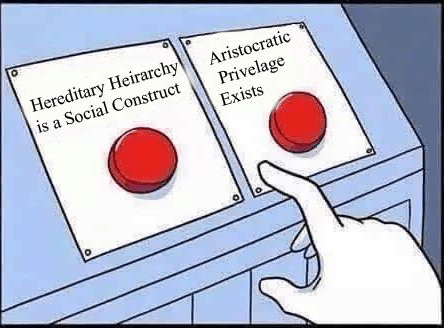
 The Wall